THE LAST SLOW DANCE
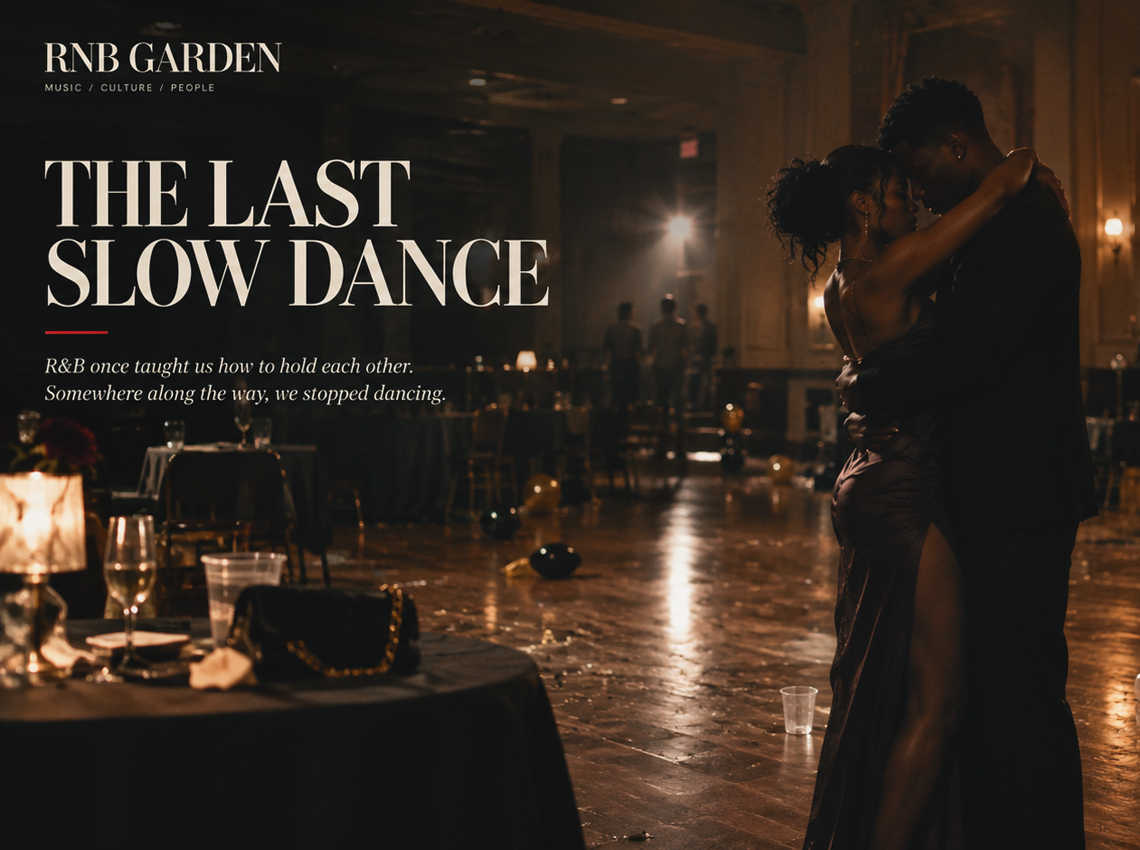
R&B once taught us how to hold each other. Somewhere along the way, we stopped dancing.
There used to be a moment at the party when everything changed. The lights were already low but somehow they seemed to get lower. The DJ had spent the last 30 minutes keeping bodies close in motion with hits like Shai‘s If I Ever Fall in Love, Mint Condition’s Pretty Brown Eyes, Guy‘s Let’s Chill, Jodeci‘s Come & Talk To Me, maybe even Mary J. Blige‘s Real Love when the room needed a little more temperature check. Everybody had been dancing with everybody and sweating through whatever outfit had taken too long to pick out. Then came the opening chords. Not drums. Not bass. Chords.
Maybe Keith Sweat asking a question he already knew the answer to. Boyz II Men harmonizing like four men had somehow agreed to share one broken heart. Or Toni Braxton asking for her heart to be unbroken, or Usher before he knew what a residency was and suddenly, the party became a negotiation. Across the room, eyes met. Someone started walking toward someone else. A hand extended.
Wanna dance?
And for the next three minutes, there was nowhere to hide. No phone to check. No story to upload. No group chat to escape into. No ironic dance to perform for the people watching. Just another person. Close. Sometimes sensually close. The slow dance was one of popular music’s smallest rituals and for generations of teenagers it was one of its most consequential. Before dating apps, read receipts, disappearing messages and relationship statuses, there was this strange little social contract in which a song gave two people permission to stand inches apart and figure out what they felt. Nobody announced that the slow dance was dying. There was no funeral. We simply stopped asking each other and somewhere along the way, R&B stopped asking too.
When R&B Slowed the Room Down
There’s a temptation to romanticize old R&B simply because it’s old. Every generation eventually decides the music playing when they first fell in love represented civilization at its artistic peak. Nostalgia has an excellent marketing department but something genuinely was different. For decades, the slow song wasn’t an occasional detour in R&B, it was structural. An album could contain club records, radio singles, declarations of independence and songs designed specifically to get somebody pregnant, but eventually the tempo came down. The production opened up. The singer stopped performing at the audience and began singing to one person.
The ballad was where the armor came off. Listen to Luther Vandross. The extraordinary thing isn’t simply the voice. It’s the patience. There are spaces in those records modern production would be terrified to leave empty. Luther allows a phrase to breathe because the feeling hasn’t finished arriving yet. Anita Baker could make desire sound dignified. Sade could make it mysterious. Babyface understood that heartbreak didn’t require screaming to be devastating. Jodeci made vulnerability sound dangerous. Boyz II Men turned emotional desperation into immaculate four-part harmony. Toni Braxton sounded like she’d already survived the relationship she was warning you about.
Then came artists like Usher, Brandy, Monica, Aaliyah, Joe, Maxwell, D’Angelo, Faith Evans and Brian McKnight, each approaching intimacy differently but participating in the same basic tradition. R&B was documenting relationships. Not simply sex and relationships. It was the anticipation. The seduction. The uncertainty. The argument. The apology. The breakup. The embarrassing phone call afterward.
The possibility that maybe, despite everything, you could try again. These songs weren’t necessarily healthier than today’s records. Plenty romanticized jealousy, infidelity, dependency and emotional chaos, but they required something increasingly rare – sincerity. You had to mean it or at least sound like you did.
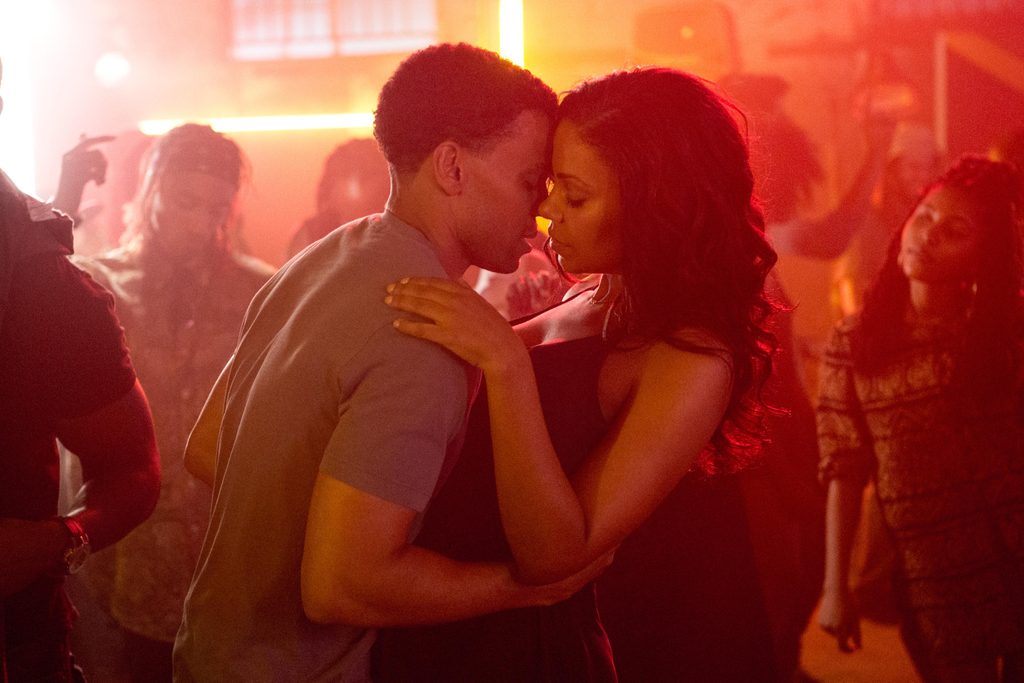
The Dance Floor Was Social Media Before Social Media
For teenagers who came of age before smartphones colonized adolescence, the dance floor served an interesting function. It was public and private simultaneously. Everybody could see you but nobody could hear you. A slow dance created a temporary room inside a crowded room. Maybe your hands stayed safely around someone’s waist. Maybe theirs rested on your shoulders. Maybe you spent the entire song wondering whether you were standing too close. Maybe halfway through, the distance disappeared. For those three minutes, the music handled the conversation neither of you was brave enough to have and that mattered.
Because intimacy often requires an excuse. Human beings spend extraordinary amounts of energy protecting themselves from rejection. We develop elaborate systems for pretending not to care about the things we desperately care about. The slow dance provided plausible deniability.
It’s just a dance.
Except sometimes it wasn’t. Sometimes you went home replaying those few minutes for a week. Sometimes people knew something had happened before either person involved was willing to admit it. Sometimes a relationship started because somebody played the right record at exactly the right moment. R&B wasn’t simply providing the soundtrack. It was providing the infrastructure then the infrastructure changed.
The Beat Got Faster. The Distance Got Bigger.
Popular music didn’t suddenly abandon ballads on a Tuesday afternoon. The change was gradual. Hip Hop became the gravitational center of American popular culture. R&B production increasingly absorbed its percussion, cadences and attitudes. Electronic music reshaped pop. Streaming altered songwriting. Social media altered attention. The distinction between singer and rapper blurred, and eventually the distinction between R&B and melodic Hip-Hop did too. None of this was inherently bad. Some extraordinary music came from that collision but tempo wasn’t the only thing that changed.
Emotional posture changed. Traditional R&B frequently approached love with earnestness. Modern R&B often approaches it with suspicion. The old question was How do I convince you to love me?
The newer question is often now How do I make sure you don’t embarrass me for loving you?
That’s a profound difference. Romantic vulnerability became something to defend against. The lover became a potential opponent. Songs increasingly arrived armored in detachment. I want you but don’t think I need you. I miss you but I’m sleeping with somebody else. You hurt me but look how little I care. I love you but I’m going to say it casually enough that if you don’t say it back, I can pretend I was joking. R&B didn’t stop feeling. If anything, contemporary R&B can be brutally emotional. What changed was how those feelings were presented.
The emotion became interior. Private. Confessional. Sometimes almost diaristic. SZA can articulate romantic insecurity with a specificity previous generations might have hidden from themselves. Summer Walker can make exhaustion sound intimate. Brent Faiyaz can transform emotional unavailability into charisma. Jhené Aiko can make introspection feel narcotic. Giveon can turn regret into architecture.
The genre remains obsessed with relationships but increasingly, these are songs about what happens inside us because of another person, rather than songs meant to be sung to another person. Those are not quite the same thing. One invites somebody closer. The other lets them listen through the wall.
Then We Put a Screen Between Us
Maybe R&B didn’t kill the slow dance. Maybe we did. Just consider how dramatically courtship has changed within a single generation. Once, talking to somebody required talking to them. Now attraction can begin without either person saying a word. Follow. Like. Watch the story. Like another story. Reply to the third one because replying to the first two would look thirsty. Send an emoji. Delete the message. Type again. Wait seventeen minutes because they waited fourteen. Entire relationships now develop through interfaces designed by people who measure success in engagement metrics.
Technology has given us unprecedented access to each other while providing unprecedented tools for avoiding actual vulnerability. You can know where someone went Saturday night without asking. You can discover their favorite restaurant before your first date. You can determine whether they’re still emotionally attached to an ex by scrolling backward three years. You can flirt without speaking. Break up without meeting. Have sex without defining the relationship. Maintain a situationship for eleven months while both parties insist they’re “just vibing.”
We have become extraordinarily sophisticated at remaining emotionally ambiguous. The slow dance is the opposite of ambiguity. You can’t slow dance with somebody from across the room. You have to approach. You have to ask. They have to answer and if they say yes, you have to stand there. Together. No algorithm can do that part for you.
So What Happened to the R&B Ballad?
The obvious explanation is commercial. Streaming rewards immediacy. A song has seconds to convince a listener not to skip. Playlists favor moods. TikTok can turn fifteen seconds into the economic engine of an entire record. The dramatic architecture of the classic R&B ballad, intro, verse, pre-chorus, chorus, second verse, bridge, modulation, final vocal explosion, asks for patience. Some records used to spend twenty seconds simply introducing themselves.
Today twenty seconds can feel like an eternity. Songs have gotten shorter across popular music. Intros have contracted. Hooks arrive earlier and one of the great casualties has been the bridge. The bridge was where R&B singers went to church. It was where the song stopped merely repeating its argument and started pleading its case. The drums might disappear and background vocals entered. The key changed. Suddenly somebody was singing like their relationship depended on what happened during the next thirty seconds. Sometimes it sounded ridiculous.
That was part of the beauty. Love is ridiculous. Heartbreak is humiliating and desire destroys dignity. Classic R&B understood this. It allowed singers to sound desperate because sometimes people are desperate. Modern culture tends to punish desperation. We call it thirsty. Clingy. Doing too much. Down bad. We created an entire vocabulary for mocking people who care visibly. So perhaps it shouldn’t surprise us that popular music learned to care differently. Cool became emotional insurance.
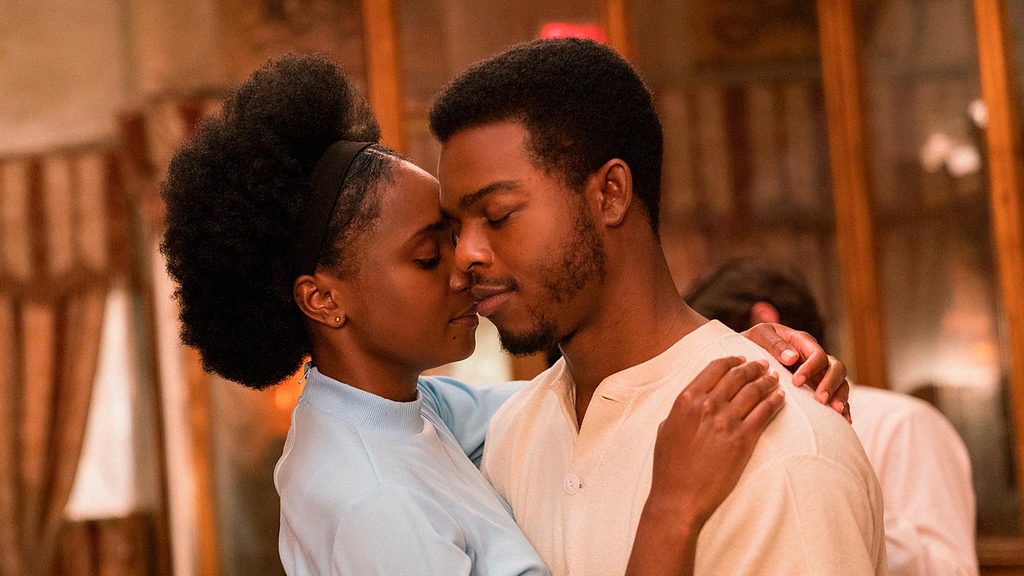
But Something Is Changing
Every cultural pendulum eventually discovers gravity. Listen carefully and you can hear a hunger for warmth returning. Not necessarily for the exact sound of 1996. That would be cosplay. The interesting artists aren’t simply recreating old records. They’re rediscovering what those records understood.
Tempo matters.
Space matters.
Melody matters.
Harmony matters and sincerity, when everyone else is performing indifference, can suddenly feel rebellious. Artists like Coco Jones, Muni Long, Leon Thomas, October London and others have demonstrated that audiences have not lost their appetite for voices that actually sing. Young listeners who supposedly have no attention span will spend hours discovering old R&B records that were released before they were born.
Songs find second lives. Old performances circulate. A twenty-year-old hears a record her mother played in the car and posts it as though she has discovered buried treasure. In a sense, she has. Because music doesn’t age according to calendars. It ages according to whether the emotion survives. A great slow record can wait decades for somebody who needs it.
Maybe We Miss More Than the Music
Ask people why they miss old-school R&B and they’ll usually describe sound. Real singers. Real instruments. Better lyrics and bridges. But listen long enough and the conversation becomes something else. They start describing places. Basements. School dances. Roller rinks. Cookouts. House parties. The back seat of somebody’s car. A bedroom with the radio playing quietly because somebody’s parents were downstairs.
They remember who they were with. What they were wearing, who they wanted, who wanted them and who didn’t. Music has always been one of memory’s most efficient storage devices but slow songs stored something particularly fragile, physical intimacy before sex. That’s what we may actually be mourning. The space between strangers and lovers. The period when touching someone’s waist meant something. When sitting beside somebody could feel electric and a first kiss had weeks of anticipation behind it. We haven’t stopped wanting those things, we’ve simply accelerated the journey.
Dating apps can move strangers from introduction to intimacy with extraordinary efficiency but efficiency is a strange thing to want from romance. Some experiences are meaningful precisely because they take too long. A slow dance accomplishes almost nothing. Two people move several feet over four minutes and end approximately where they started. There is no productivity. No optimization. No content. No measurable return. Just proximity and maybe that’s why it feels almost radical now.
Put the Phones Down
Imagine a party tonight. Not a nostalgia party. Not a ’90s theme night populated by people wearing clothes they would have mocked in 1997. A real party. Young people. New music. At midnight, the DJ changes direction. The BPM drops. Not ironically. Not for thirty seconds before transitioning into another record. A full song. People initially don’t know what to do.
Some laugh. Some reach for their phones because phones have become our emergency exits from awkwardness. Then somebody crosses the room.
“Dance with me.”
Maybe she rolls her eyes. Maybe he laughs. Maybe somebody records them but eventually another couple joins. Then another and something almost embarrassingly human happens. People hold each other. That shouldn’t feel revolutionary but perhaps it does. Because modern life is filled with contact and starving for touch. We communicate constantly and say remarkably little. We have thousands of photographs of ourselves and increasingly fewer moments nobody documented. We can access almost anyone while becoming harder to reach. R&B has always existed inside that contradiction.
It is Black music’s great language of intimacy. Gospel taught the voice how to reach heaven. Blues taught it how to survive pain. Soul taught it how to testify. R&B brought all of that into the bedroom and sometimes onto the dance floor.
The Last Slow Dance
So maybe the slow dance isn’t coming back. Culture doesn’t usually return things exactly as we left them. The school dance has changed. The nightclub has changed. Dating has changed. R&B has changed. We have changed. That doesn’t mean something was lost forever. Because underneath every technological shift, every production trend and every generational argument about who ruined music, the basic human problem remains remarkably consistent.
Somebody likes somebody. They don’t know whether the other person feels the same way. Somebody falls in love. Somebody gets scared. Somebody leaves. Somebody regrets leaving. Somebody lies awake at 2:13 in the morning wondering whether sending the text is a terrible idea. Somebody sends it anyway.
That is R&B. The instruments change. The slang changes. The drums change. The length of the song changes. The embarrassment remains. Maybe that’s why the slow song will never completely disappear. There will always be moments when rhythm isn’t enough. When dancing around the feeling becomes more exhausting than admitting it. When somebody needs a singer to say the thing they can’t and somewhere, eventually, two people will find themselves in the same room while that song is playing.
One will look at the other. There will be a second of uncertainty. Maybe even embarrassment. Then somebody will walk across the room. Hopefully without a phone in their hand and ask the oldest question a love song knows how to answer.
Wanna dance?